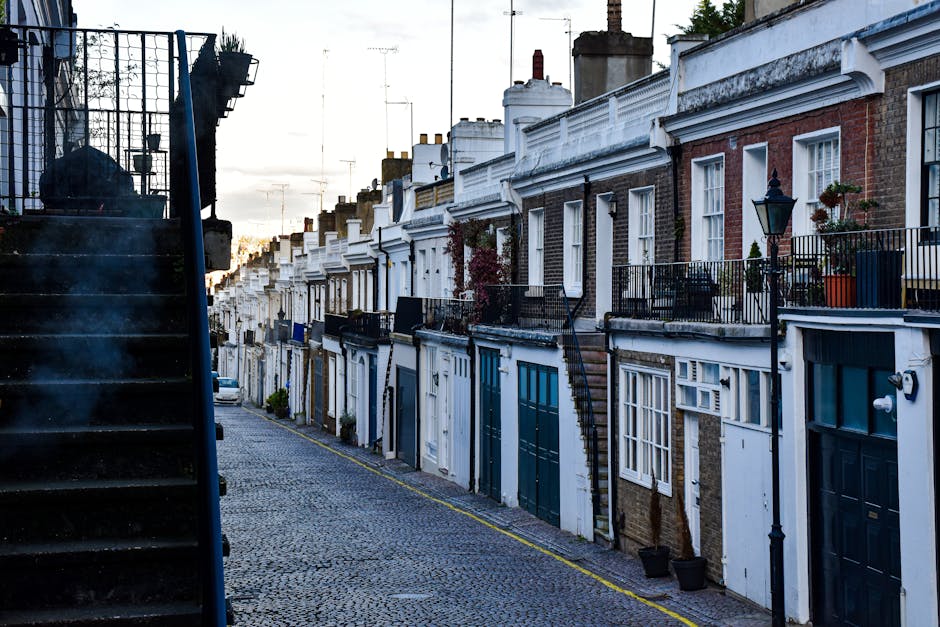
Greenwich removals access problems on narrow streets and solutions
Posted on 30/06/2026
Greenwich Removals Access Problems on Narrow Streets and Solutions
Moving house in Greenwich sounds simple until you meet the street itself. One minute you have boxes stacked, kettle packed, and a clear plan. The next, a van cannot squeeze past parked cars, the pavement is too tight for trolleys, and a driver is doing that slow, careful inching movement that makes everyone hold their breath. That is exactly why Greenwich removals access problems on narrow streets and solutions deserve proper planning, not guesswork.
Whether you are moving from a period terrace, a basement flat, a converted building, or an office tucked down a cramped side road, access can shape the whole move. In this guide, you will find practical ways to spot problems early, reduce delays, protect your furniture, and choose the right removal approach for Greenwich's tighter streets. Simple really, but not always easy in real life.
For readers who want a broader look at local moving support, you may also find the services overview and removals in Greenwich useful as background. We will stay focused here on access issues, because that is where many moves succeed or unravel.
Why Greenwich removals access problems on narrow streets and solutions Matters
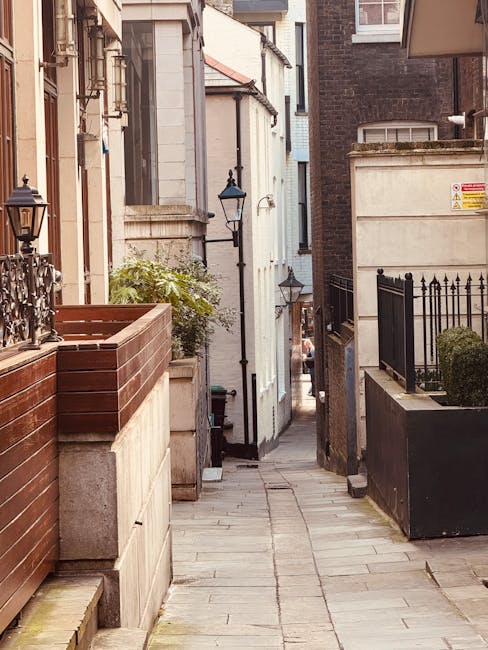
Greenwich has a mix of housing styles, from compact flats and Victorian homes to modern apartments and tucked-away side streets. That variety is part of the charm, of course. It is also what makes removals tricky. Narrow roads, limited parking, awkward corners, low branches, controlled bays, and busy resident traffic can turn a normal move into a stop-start job.
The big issue is not just convenience. Poor access can increase lifting distances, raise the risk of damage, slow down loading, and create tension with neighbours or building managers. In busy parts of Greenwich, a van may need to park further away than planned, which means more carrying, more time, and more strain on the team and your belongings. It is the kind of detail people often forget until the morning of the move. Then it is suddenly very real.
Good access planning matters because it helps you:
- reduce delays and avoid last-minute panic
- protect furniture from knocks and scrapes
- lower the chance of blocked roads or unhappy neighbours
- choose the right size vehicle and crew
- avoid avoidable extra costs caused by poor preparation
If you are comparing movers, it is worth looking at their experience with awkward local access rather than only price. A team that knows Greenwich streets is often far more valuable than a slightly cheaper quote with no access plan. That is especially true for flats and heavier items such as wardrobes, sofas, or instruments. For those specific challenges, pages like flat removals Greenwich and furniture removals Greenwich can be a helpful next step.
Expert summary: On narrow streets, the move is won before the van arrives. The best results usually come from measuring access properly, planning parking early, and matching the vehicle to the street, not the other way around.
How Greenwich removals access problems on narrow streets and solutions Works
The process is less mysterious than it sounds. A good move on a tight Greenwich street usually follows three stages: assess, adapt, and execute. First, the mover checks how the van will reach the property. Then they adapt the plan to the space available. Finally, on moving day, they use that plan to keep things flowing as smoothly as the street will allow.
1. Assess the access
This means checking the basics: how wide the road is, whether there is parking nearby, whether the van can reverse safely, and whether steps, gates, or shared entrances complicate the route. A quick glance from the pavement is not enough, to be fair. You need to think in terms of turning space, loading distance, and whether furniture can be carried without twisting through doorways.
2. Adapt the moving method
If the street is tight, the solution may be a smaller vehicle, a shuttle system, split loads, more portering, or moving at an off-peak time. Sometimes the right answer is not one big van at all. It might be a man and van service in Greenwich or a man with a van approach that can work more flexibly in a constrained area. For some jobs, a larger vehicle is still needed, but access has to be managed with more care.
3. Execute with a practical loading plan
Once the access route is understood, the team should load in the right order. Items for the back room or top floor need to be labelled clearly, fragile items should be packed for fast retrieval, and any bulky furniture should be handled when the path is clear. It sounds straightforward. It rarely is. But good sequencing makes a surprising difference.
A useful way to think about it is this: the narrow street is part of the job, not an obstacle separate from it. The move should be designed around the street from the start. If you wait until moving day to discover the problem, the whole timeline starts to wobble.
Key Benefits and Practical Advantages
Getting access planning right brings very concrete benefits. Some are obvious, some only become clear after you have done a few moves the hard way.
- Less damage: shorter carry distances and fewer tight turns mean fewer opportunities to bump walls, doors, and furniture edges.
- Less stress: when everyone knows where the van will park and how items will be moved, the day feels calmer.
- Better timing: avoiding repeated trips and awkward repositioning saves time, which matters if you have building access windows.
- Safer handling: lifting over longer distances or through cramped entrances increases strain, so efficient routes matter.
- Better neighbour relations: a tidy, well-managed move is less likely to block access or cause friction on the street.
There is also a financial angle. Poor access can increase labour time, extend the booking, or create extra handling work. You do not need exact maths to know that a move becomes more expensive when a van spends half the morning trying to find somewhere sensible to stop. If you are trying to understand how pricing is shaped by real-world conditions, the guide on pricing and quotes is worth a look.
One more practical benefit: good planning helps protect your schedule. Many Greenwich moves involve landlords, estate agents, building entry times, or parking limitations. That can be a juggling act. A well-managed access plan helps the move happen within the day rather than spilling into the evening. No one wants to be carrying lamp shades up stairs at 8 p.m. while it is getting dark outside.
Who This Is For and When It Makes Sense
This topic matters to a wide mix of people. Narrow-street access affects more than just traditional house moves.
- Flat movers: especially where the property is in a converted building, above street level, or accessed through a shared hallway.
- Families in terrace housing: when there is limited parking and not much room for a larger lorry.
- Students: where timing is tight, storage is limited, and access can be awkward around shared houses or apartment blocks.
- Office movers: where equipment, desks, and filing need to be moved without blocking the road for too long.
- Anyone with bulky or delicate items: pianos, wardrobes, sofas, or large dining tables often need extra planning.
If your move involves a top-floor flat, a tight stairwell, or a street where vans regularly have to double-check every manoeuvre, then this is definitely for you. The same applies if you are moving at short notice and cannot afford a lot of trial and error. In those cases, same day removals Greenwich can be relevant, but only if the access problem is assessed quickly and honestly.
It also makes sense for people who are comparing moving options and wondering whether they need a full removals crew or something lighter. A smaller, more flexible vehicle might be enough. Or it might not. The key is to be honest about the street, not optimistic about it.
Step-by-Step Guidance
Here is a simple way to approach a Greenwich move where access may be tight. This is the part that saves time later.
- Measure the obvious obstacles. Note the width of the road, gate openings, staircases, lifts, and any sharp corners. If a sofa has to make three turns before leaving the building, that matters.
- Check parking reality, not theory. Look at where a van could actually stop, not just where it would be nice to stop. A spot ten metres away is much better than one across a busy junction, even if it looks neat on paper.
- List bulky items early. Wardrobes, beds, appliances, and any awkward furniture should be flagged in advance. These are the items that tend to expose weak access plans.
- Decide whether a smaller van is smarter. In some Greenwich streets, a smaller vehicle with more trips is easier than one large van trying to force its way into a space that does not fit.
- Plan the carry route. Think from van to front door and back again. Do not ignore bins, low walls, railings, delivery bikes, and wet pavements. Small things become big things on moving day.
- Prepare the property. Remove clutter from hallways, protect floors if needed, and keep the entrance clear. A tidy route is faster and safer.
- Label the load. If items need to come off the van in a specific order because access is tight, clear labelling helps.
- Confirm timing with everyone involved. If there is a building manager, neighbour, landlord, or parking restriction to consider, make sure the move window is understood.
The most overlooked part? The walk from van to front door. It sounds basic, but in a cramped street that distance can shape the entire move. If it takes longer than expected, the whole day changes pace.
Expert Tips for Better Results
Here are the kinds of details that usually separate a smooth move from a stressful one.
- Use photos, not just descriptions. A few pictures of the street, entrance, stairwell, and parking area often say more than a long phone explanation.
- Book earlier if access is tight. Tight streets leave less room for improvisation. Early planning gives you more vehicle and timing options.
- Think about the time of day. Early starts can be easier on busy residential streets. Midday may be worse if traffic, deliveries, and school runs pile up.
- Keep the front door clear. Shoes, prams, recycling bags, and half-packed boxes create needless bottlenecks. Funny how always the last few bits matter most.
- Choose the right moving team for awkward buildings. A team used to house removals Greenwich and local access issues will usually make better decisions on the day than a generic crew with no local context.
- Have a backup plan for parking. If the nearest spot is taken, know the next best option instead of circling endlessly.
Another small but useful tip: if you can, stand outside the property at the same time of day as your move is scheduled. You will notice things you missed earlier, such as delivery traffic, bin collection patterns, or a school pick-up flow around the corner. Those little observations can save a lot of faffing about later.

Common Mistakes to Avoid
Most access problems become expensive because people assume they will sort themselves out. Sadly, streets do not usually cooperate just because we are in a hurry.
- Assuming a van will fit because a car does. Very different problem. A car and a moving vehicle are not the same thing, obviously, but this mistake happens more than you might think.
- Ignoring loading distance. Even if parking is legal a short way down the road, the extra carry can be exhausting and slow.
- Forgetting about shared entrances. Narrow hallways, communal doors, and internal stairs matter just as much as the street outside.
- Not flagging bulky items early. A piano, sofa bed, or large wardrobe may need a different approach altogether.
- Leaving parking until the last minute. If your mover has to search for a space on arrival, the whole day gets less efficient.
- Overpacking boxes. Heavy boxes are harder to carry through tight spaces and more likely to fail at the worst moment. Not ideal.
- Choosing a vehicle too large for the access. Bigger is not always better. Sometimes it is just harder to park and harder to manoeuvre.
There is a wider commercial mistake too: choosing a removal company purely on headline price. Cheap can look clever right up until the van cannot stop anywhere sensible. If you are weighing value against risk, the article on cheap house removals Greenwich and the real cost pitfalls gives useful perspective.
Tools, Resources and Recommendations
You do not need fancy equipment, but a few practical tools make narrow-street moves much easier.
- Measuring tape: essential for checking doors, hallways, gates, and awkward items.
- Phone photos and video: useful for showing the access route and any tight corners.
- Furniture covers and blankets: protect surfaces when turns are tight.
- Labels and markers: keep loads organised so the most urgent items are easy to reach.
- Floor protection: handy in buildings where flooring is delicate or weather is poor.
- Box trolleys and straps: good for safe handling when the path is clear but the lift is heavy.
For packing support, the packing and boxes Greenwich page is helpful if you want to prepare properly rather than scrambling at the end. If you do not have space for everything on move day, short-term storage in Greenwich can also reduce pressure and make the access plan simpler.
And if you are moving business equipment or office furniture, the needs change again. Desks, monitors, and chairs are manageable, but corridor width and lift access still matter. The page on office removals Greenwich is relevant for that kind of job.
Law, Compliance, Standards, or Best Practice
Access planning for removals is not only about efficiency. It also touches on safety, property rules, and sensible working practice. You do not need to be a legal expert, but you do need to be careful.
In the UK, movers and customers generally need to respect parking restrictions, permit rules where applicable, building access policies, and safe manual handling practices. That means you should not assume a van can stop anywhere just because it is a moving day. Likewise, if a building has a lift booking system, loading bay rules, or time slots for contractors, those should be followed.
From a practical standpoint, good removal practice usually includes:
- checking whether parking permissions or restrictions apply
- avoiding obstruction to pedestrians, emergency access, or neighbours' driveways
- lifting and carrying furniture in a way that reduces risk of injury
- using suitable protection for floors, walls, and door frames
- communicating clearly with the customer about limits and access conditions
Health and safety also matter inside the property. A tight stairwell or poor lighting can make a simple carry more hazardous, especially in wet weather. If you want to understand how a mover handles that side of the job, see the health and safety policy and insurance and safety information.
Best practice is often plain common sense, but done consistently: be honest about access, check the route, use the right vehicle, and leave enough time. That is what separates a professional move from a hopeful one.
Options, Methods, or Comparison Table
Different access problems call for different solutions. Here is a simple comparison to help you decide what fits best.
| Method | Best for | Pros | Limitations |
|---|---|---|---|
| Large van or lorry | Homes with good road access and larger loads | Fewer trips, faster when access is easy | Harder to park and manoeuvre on narrow streets |
| Smaller van | Compact roads, flats, and awkward turning spaces | More flexible, easier to position close to the property | May need more trips if the load is large |
| Man and van service | Smaller moves or short-distance jobs | Highly adaptable, often better in tight streets | May not suit larger family houses or full office moves |
| Full removals crew | Heavier loads, stairs, fragile items, and complex access | More manpower, more control, more efficient handling | Usually more planning needed, and cost can be higher |
| Split-load or shuttle approach | Very tight streets or restricted parking | Solves access problems where one vehicle cannot stay near the property | Can take longer and needs careful scheduling |
For many Greenwich streets, the best choice is not the biggest or the cheapest one. It is the option that balances street access, load size, and timing. Sometimes that means a hybrid approach, and that is fine. In fact, that is often the smart choice.
Case Study or Real-World Example
Here is a realistic example. A move from a first-floor flat in Greenwich involved a narrow residential street, parked cars on both sides, and a staircase that turned sharply halfway up. The contents included a sofa, a bed frame, several book boxes, and a dining table that was too bulky to be carried flat without planning.
Instead of arriving with a large vehicle and hoping for the best, the move was handled in stages. The team reviewed the access in advance, checked where the van could legally stop, and loaded the largest pieces first while the route was clear. The sofa was carried while the street was quieter, and the lighter boxes followed once the bulky items were out. Not glamorous. Very effective.
The key lesson was simple: the property itself was not the problem. The access was. Once that was accepted, the rest became manageable. The movers did not need miracles, just the right order, the right vehicle, and enough space to work without rushing.
This is also why local knowledge matters. Greenwich has streets where one-way approaches, resident parking, and corner visibility can all affect a move. If you want more context on local living patterns and neighbourhood feel, Greenwich living and local review insights and the company background can add useful context.
Practical Checklist
Use this checklist before moving day. It is short, but it covers the things people most often forget.
- Have you measured doors, stairs, and any tight corners?
- Do you know where the van can realistically stop?
- Have you checked for parking restrictions, permits, or loading limits?
- Are there bulky items that need special handling?
- Have you told the movers about basement access, lifts, or split-level entrances?
- Is the hallway clear of clutter and loose items?
- Do fragile items have suitable packing and labels?
- Have you planned for weather, lighting, and early or late-day conditions?
- Do neighbours or building staff need advance notice?
- Have you got a backup parking or waiting plan if the first spot is taken?
If you can tick most of those off, you are already ahead of the game. And honestly, that makes a bigger difference than people expect.
Conclusion
Greenwich removals access problems on narrow streets and solutions are really about preparation, realism, and local awareness. Tight roads do not have to derail a move, but they do demand a more thoughtful approach. Measure first, plan parking carefully, choose the right vehicle, and keep the route clear. Small details become big wins.
The best moves in Greenwich usually feel uneventful from the outside, which is exactly the point. No drama, no scraping, no desperate circling for parking. Just a steady, sensible process that respects the street and the property. That is what you want, really.
If you are preparing for a move and want to talk through access, timing, or vehicle choice, you can review the available options and reach out when you are ready. A short conversation before moving day can save a lot of stress later.
Get a free quote today and see how much you can save.